eviden-logo

Evidian > Products > SafeKit: Simple, Cost-Effective High Availability Software > High Availability Architectures and Best Practices

High Availability Architectures and Best Practices

Evidian SafeKit

What are the high availability architectures and the best practices?

Overview

This article explores the different high availability architectures and the best practices by given the pros and cons of each architecture.

High availability architectures and best practices

The following comparative tables explain in detail the SafeKit high availability architecture and its best practices (SafeKit is a software high availability product).

What are the high availability architectures?

There are two types of high availability architectures: those for backend applications such as databases and those for frontend applications such as web services.

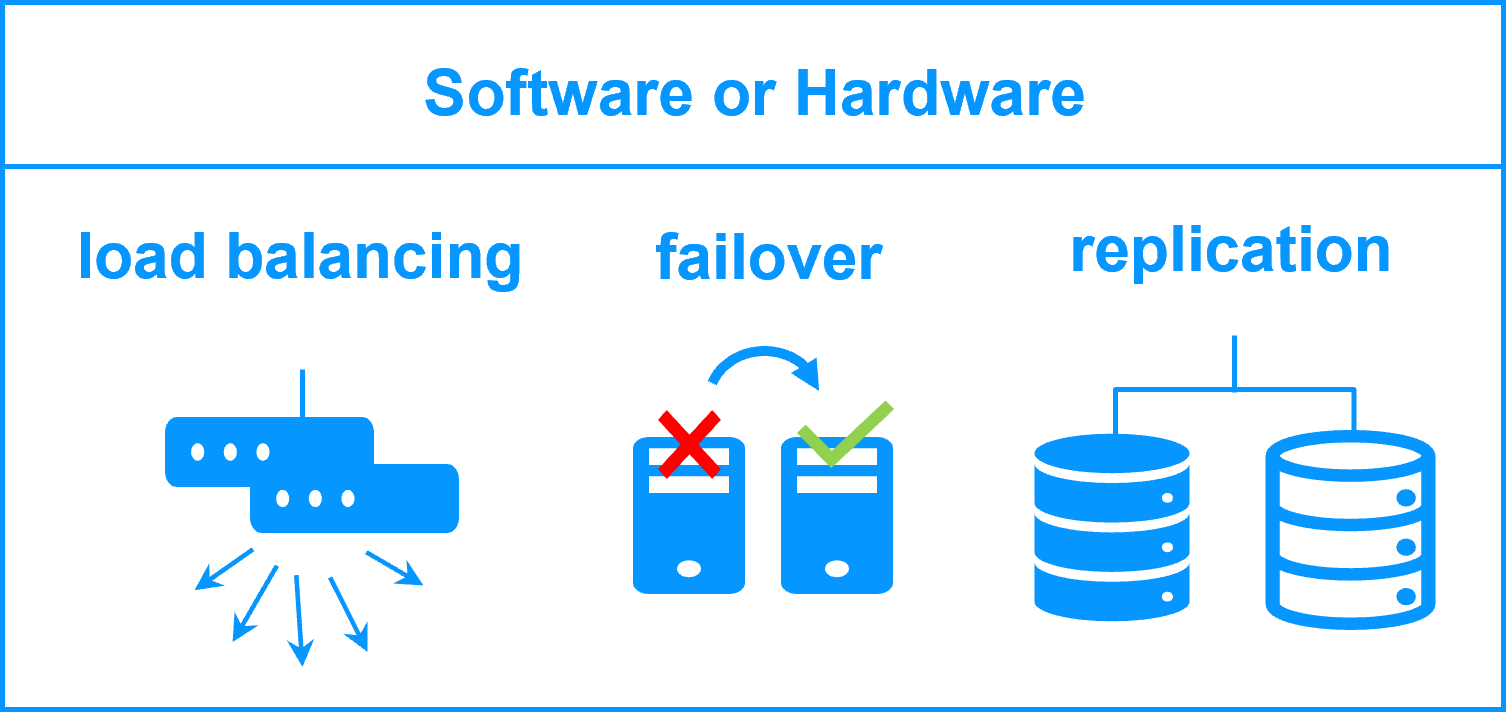
High availability architectures for backend are based on 2 servers sharing or replicating data with an automatic application failover in the event of hardware of software failures.

High availability architectures for frontend are based on a farm of servers (2 servers or more). The load balancing is made by hardware or software and distributes the TCP sessions to the available servers in the farm.

Moreover, you have to choose between high availability at the application level or at the virtual machine level.

Comparative tables on high availability architectures and best practices

Pros and cons of high availability architectures

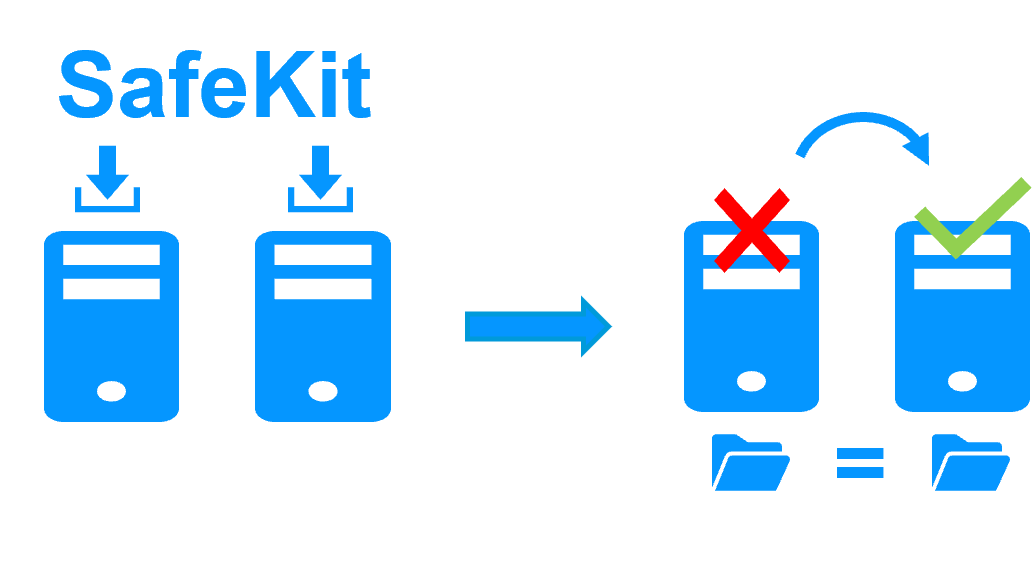
Software clustering vs hardware clustering
More info >

A software cluster with SafeKit installed on two servers Hardware clustering with external shared storage

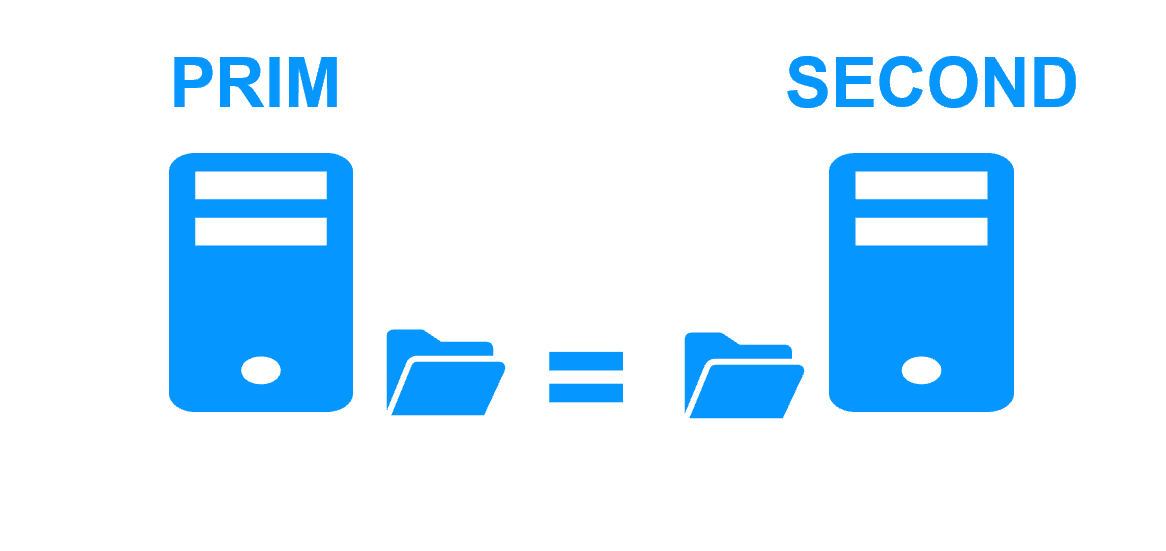
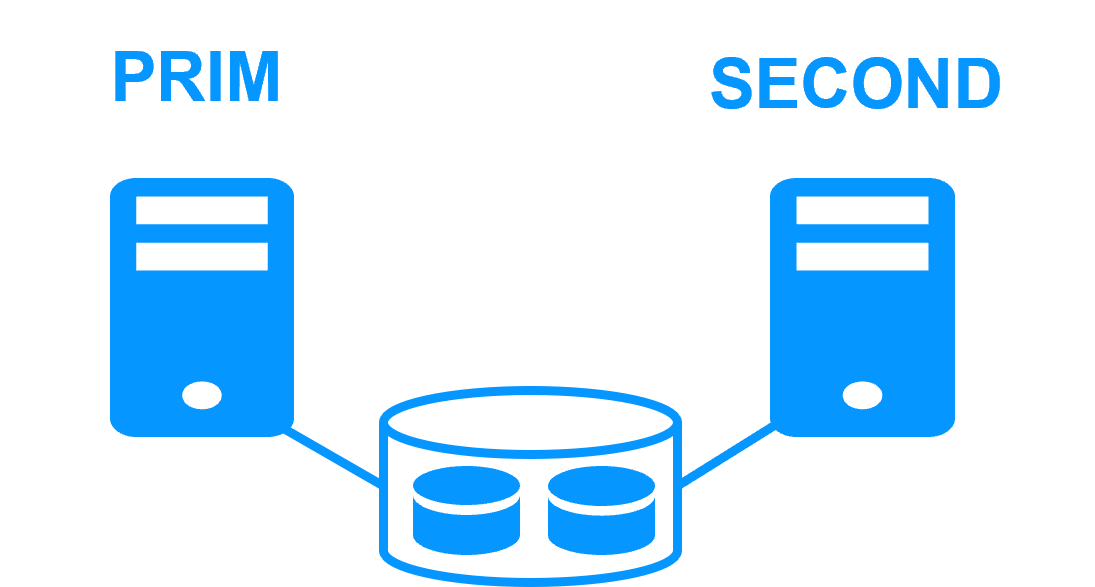
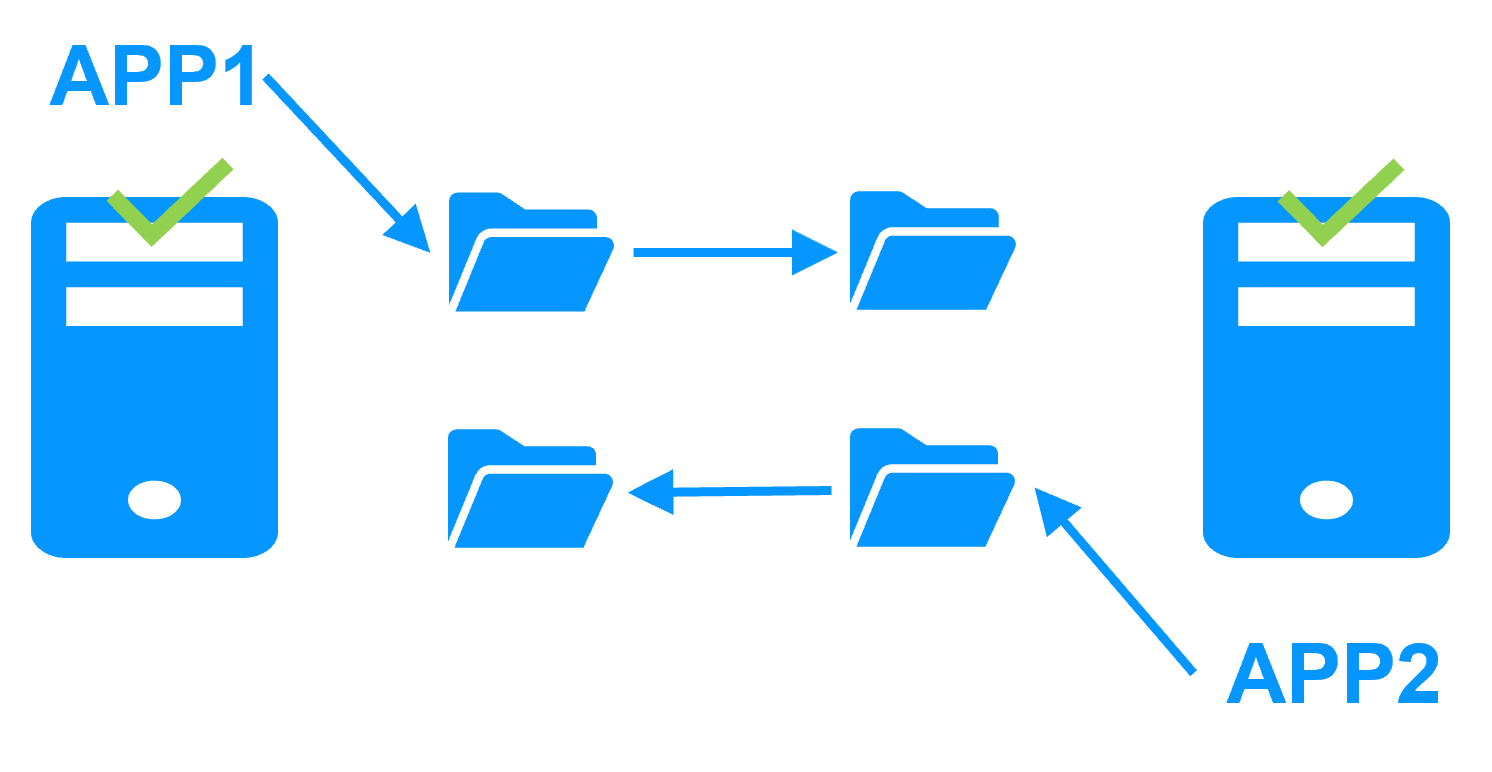
Shared nothing vs a shared disk cluster
More info >

SafeKit shared-nothing cluster: easy to deploy even in remote sites Shared disk cluster: complex to deploy

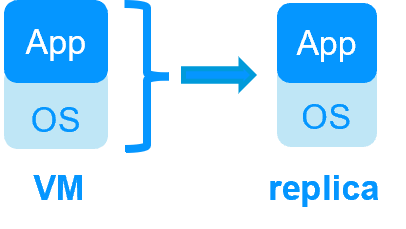
Application High Availability vs Full Virtual Machine High Availability
More info >

High availability at application level High availability at virtual machine level

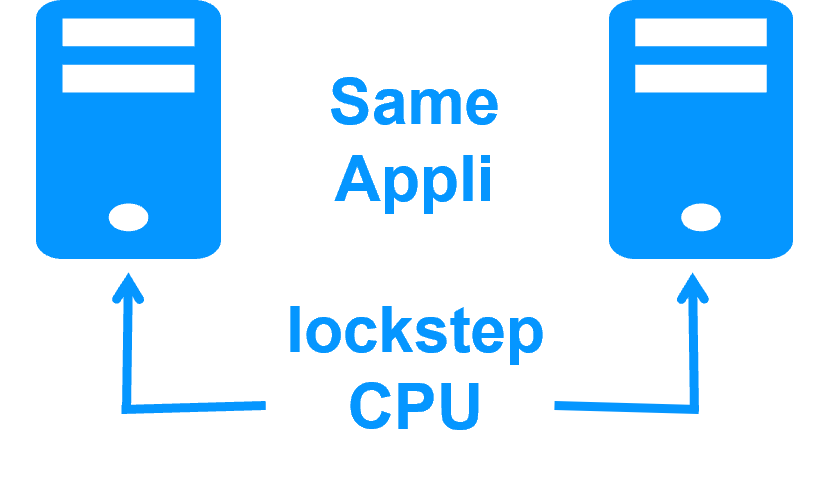
High availability vs fault tolerance
More info >

SafeKit high availability vs fault-tolerance Fault tolerance system

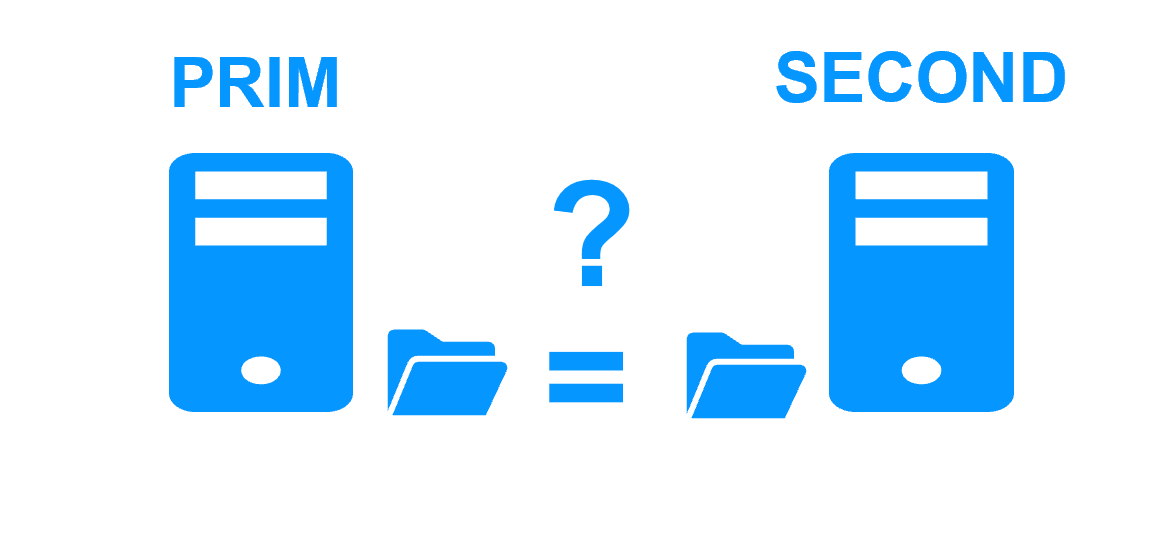
Synchronous replication vs asynchronous replication
More info >

SafeKit synchronous replication with no data in case of failure Asynchronous replication with data loss on failure

Byte-level file replication vs block-level disk replication
More info >

Byte-level file replication between two servers Block-level disk replication between two servers

Heartbeat, failover and quorum to avoid 2 master nodes
More info >

Simple quorum in a SafeKit cluster with a split brain checker configured on a router Complex quorum in other clusters: third machine, special quorum disk, remote hardware reset

Virtual IP address primary/secondary, network load balancing, failover
More info >

No special network configuration in a SafeKit cluster Special network configuration in other clusters

SafeKit High Availability (HA) Solutions: Quick Installation Guides for Windows and Linux Clusters

This table presents the SafeKit High Availability (HA) solutions, categorized by application and operating environment (Databases, Web Servers, VMs, Cloud). Identify the specific pre‑configured .safe module (e.g., mirror.safe, farm.safe, and others) required for real‑time replication, load balancing, and automatic failover of critical business applications on Windows or Linux. Simplify your HA cluster setup with direct links to quick installation guides, each including a download link for the corresponding .safe module.

A SafeKit .safe module is essentially a pre‑configured High Availability (HA) template that defines how a specific application will be clustered and protected by the SafeKit software. In practice, it contains a configuration file (userconfig.xml) and restart scripts.

SafeKit High Availability (HA) Solutions: Quick Installation Guides (with downloadable .safe modules)
Application Category HA Scenario (High Availability) Technology / Product .safe Module Installation Guide
New Applications Real-Time Replication and Failover Windows mirror.safe View Guide: Windows Replication
New Applications Real-Time Replication and Failover Linux mirror.safe View Guide: Linux Replication
New Applications Network Load Balancing and Failover Windows farm.safe View Guide: Windows Load Balancing
New Applications Network Load Balancing and Failover Linux farm.safe View Guide: Linux Load Balancing
Databases Replication and Failover Microsoft SQL Server sqlserver.safe View Guide: SQL Server Cluster
Databases Replication and Failover PostgreSQL postgresql.safe View Guide: PostgreSQL Replication
Databases Replication and Failover MySQL mysql.safe View Guide: MySQL Cluster
Databases Replication and Failover Oracle oracle.safe View Guide: Oracle Failover Cluster
Databases Replication and Failover Firebird firebird.safe View Guide: Firebird HA
Web Servers Load Balancing and Failover Apache apache_farm.safe View Guide: Apache Load Balancing
Web Servers Load Balancing and Failover IIS iis_farm.safe View Guide: IIS Load Balancing
Web Servers Load Balancing and Failover NGINX farm.safe View Guide: NGINX Load Balancing
VMs and Containers Replication and Failover Hyper-V hyperv.safe View Guide: Hyper-V VM Replication
VMs and Containers Replication and Failover KVM kvm.safe View Guide: KVM VM Replication
VMs and Containers Replication and Failover Docker mirror.safe View Guide: Docker Container Failover
VMs and Containers Replication and Failover Podman mirror.safe View Guide: Podman Container Failover
VMs and Containers Replication and Failover Kubernetes K3S k3s.safe View Guide: Kubernetes K3S Replication
AWS Cloud Real-Time Replication and Failover AWS mirror.safe View Guide: AWS Replication Cluster
AWS Cloud Network Load Balancing and Failover AWS farm.safe View Guide: AWS Load Balancing Cluster
GCP Cloud Real-Time Replication and Failover GCP mirror.safe View Guide: GCP Replication Cluster
GCP Cloud Network Load Balancing and Failover GCP farm.safe View Guide: GCP Load Balancing Cluster
Azure Cloud Real-Time Replication and Failover Azure mirror.safe View Guide: Azure Replication Cluster
Azure Cloud Network Load Balancing and Failover Azure farm.safe View Guide: Azure Load Balancing Cluster
Physical Security / VMS Real-Time Replication and Failover Milestone XProtect milestone.safe View Guide: Milestone XProtect Failover
Physical Security / VMS Real-Time Replication and Failover Nedap AEOS nedap.safe View Guide: Nedap AEOS Failover
Physical Security / VMS Real-Time Replication and Failover Genetec (SQL Server) sqlserver.safe View Guide: Genetec SQL Failover
Physical Security / VMS Real-Time Replication and Failover Bosch AMS (Hyper-V) hyperv.safe View Guide: Bosch AMS Hyper-V Failover
Physical Security / VMS Real-Time Replication and Failover Bosch BIS (Hyper-V) hyperv.safe View Guide: Bosch BIS Hyper-V Failover
Physical Security / VMS Real-Time Replication and Failover Bosch BVMS (Hyper-V) hyperv.safe View Guide: Bosch BVMS Hyper-V Failover
Physical Security / VMS Real-Time Replication and Failover Hanwha Vision (Hyper-V) hyperv.safe View Guide: Hanwha Vision Hyper-V Failover
Physical Security / VMS Real-Time Replication and Failover Hanwha Wisenet (Hyper-V) hyperv.safe View Guide: Hanwha Wisenet Hyper-V Failover
Siemens Products Real-Time Replication and Failover Siemens Siveillance suite (Hyper-V) hyperv.safe View Guide: Siemens Siveillance HA
Siemens Products Real-Time Replication and Failover Siemens Desigo CC (Hyper-V) hyperv.safe View Guide: Siemens Desigo CC HA
Siemens Products Real-Time Replication and Failover Siemens Siveillance VMS SiveillanceVMS.safe View Guide: Siemens Siveillance VMS HA
Siemens Products Real-Time Replication and Failover Siemens SiPass (Hyper-V) hyperv.safe View Guide: Siemens SiPass HA
Siemens Products Real-Time Replication and Failover Siemens SIPORT (Hyper-V) hyperv.safe View Guide: Siemens SIPORT HA
Siemens Products Real-Time Replication and Failover Siemens SIMATIC PCS 7 (Hyper-V) hyperv.safe View Guide: SIMATIC PCS 7 HA
Siemens Products Real-Time Replication and Failover Siemens SIMATIC WinCC (Hyper-V) hyperv.safe View Guide: SIMATIC WinCC HA